FREE — DELIVERED INSTANTLY
The exact PROJECT.md I used to build 30+ paid client websites.
One spec file. You paste it into Claude or Codex and it builds the site. I refined it across two months of real client work in Slovenia — it took my build time from 3–6 hours down to about one.
30+ sites · typically €499–899 · Slovenia · under 2 months
# Project: [CLIENT / BUSINESS NAME]
## Goal
What is being built, for whom, and against which references.
# 3. Completely Analyze the Business
Before a single line is written.
# 4. Research Truth States
VERIFIED CURRENT / HISTORICAL / UNCERTAIN — never guess.
# 7. Legal / Contact Warning
What must never be invented.
# 10. Competitor Analysis
Who else the customer is looking at.
# 12. Media Request Protocol
Every image defined before it is made.
# 13. Hero Section — Highest Priority
The section that decides the page.
# 15. Complete Hero Storyboard
Shot by shot.
# 21. Art Direction
The look, and what breaks it.
# 23. Typography
Families, scale, rhythm.
# 26. Information Architecture
Every page, every section, in order.
# 33. Conversion Strategy
What the site is actually for.
# 39. SEO
Local intent, titles, schema.
# 40. Content Accuracy Rule
No invented facts about a real business.
# 47. Final Verification
What must pass before it ships.
48 sections
30+
client sites built and paid for
~5,500
businesses found with no website
3,500+
SMS sent · ~18% replied
~1h
build time per site — was 3–6h
WHAT THE FILE IS
It's not a prompt. It's a specification.
A prompt asks the model to be creative. This file removes the need. It carries everything the build actually needs — the business, its services, positioning, competitors, design references, photos, reviews, contact details, SEO, page structure, visual direction and the hard constraints it isn't allowed to break.
It runs 2,151 lines across 48 sections — including one that forces every fact found about the business to be marked verified, historical or uncertain, so nothing invented ends up on a real company's website.
That's the whole difference. My first sites took 3–6 hours, and most of that was correcting things the model had no way to know. Now the answers are already in the file before it starts building.
01
Fill in the file
Business info, services, references, constraints.
02
Paste into Claude or Codex
One spec in. No back-and-forth prompting.
03
Review and deploy
Correct the details it could not know. Ship.
WHERE IT CAME FROM
The file exists because there was a queue of clients to build for.
I didn't start with a template. I started with a list of local businesses that had no website, and one problem: reaching enough of them to make building worth systemizing. So I built the front half first. Now the sending runs on its own, replies arrive in my Telegram inbox without me touching anything, and the only work left is closing the ones that answered.
Local businesses with no website
~5,500 found
Business + phone data collected
Numbers split: mobile vs landline
the step that makes it economic
MOBILE
SMS sent automatically
3,500+ sent · ~18% replied
Replies land in your Telegram
you chase nothing
LANDLINE
Cold-call list
2,000+ calls
Called by hand
A warm lead, waiting for you
all that’s left is closing it
PROJECT.md written for that business
the file you're getting
Claude / Codex builds the site
Reviewed, revised, deployed — client pays
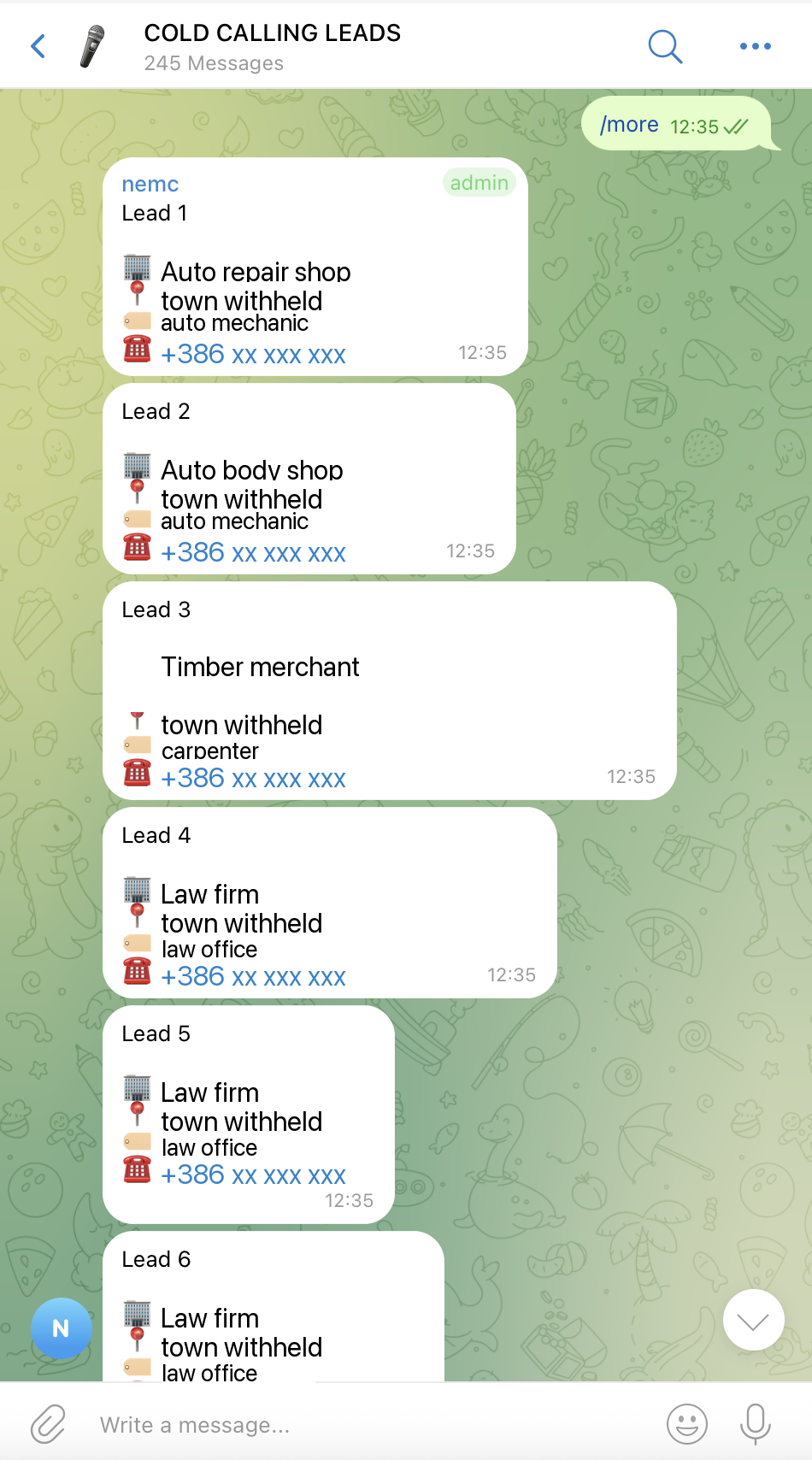
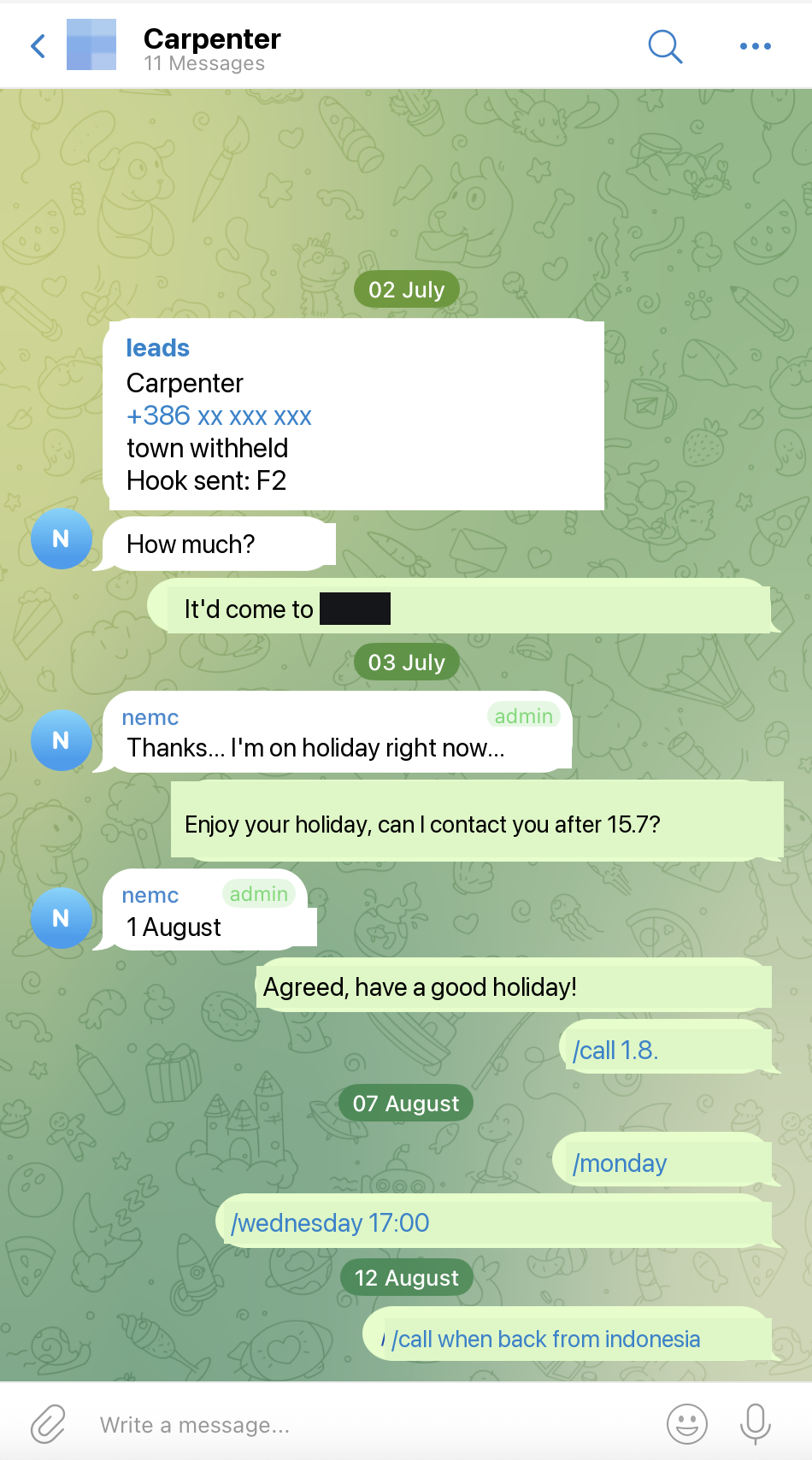
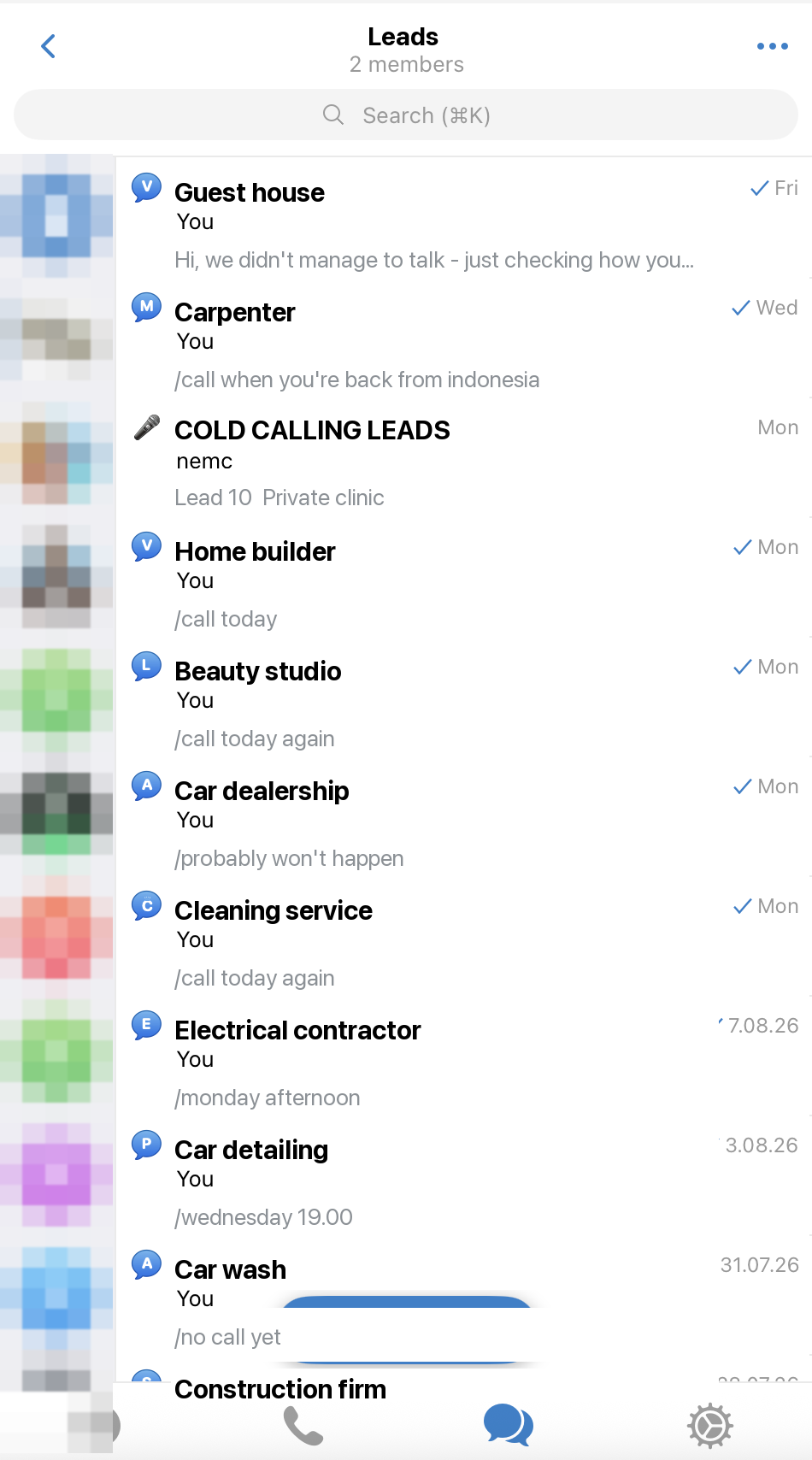
And it runs on its own schedule.
Sending, reply handling and routing are automated. The only manual work left is the part that should be manual — talking to the business that replied.
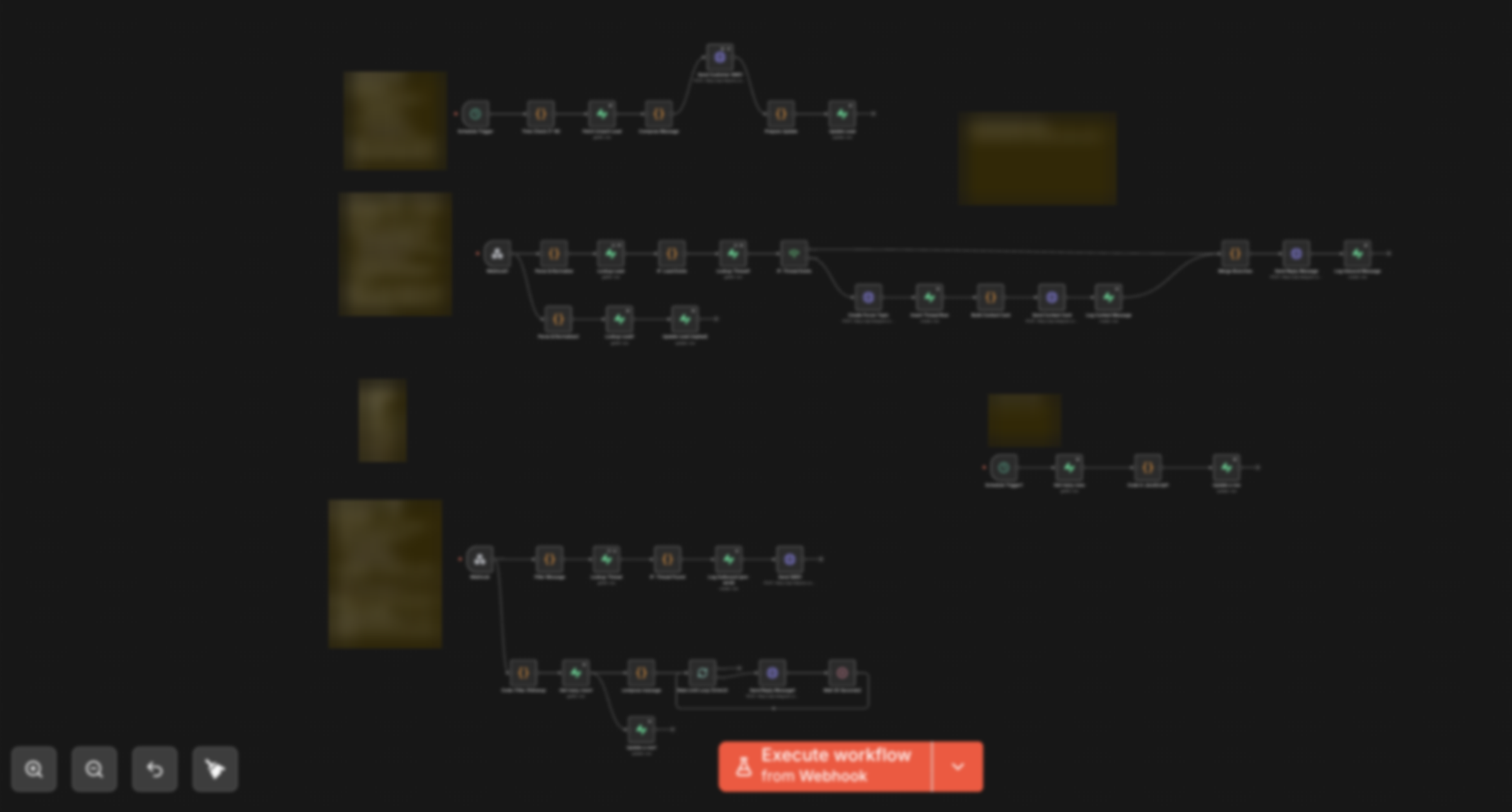
Ten moving parts. The file you're getting is one of them.
Business finder
locates local businesses with no website
Data enrichment
collects and cleans the contact data
Mobile / landline split
decides who gets texted and who gets called
SMS engine
sends and retries on its own
Telegram routing
drops every reply into one inbox
Call list + follow-ups
tracks the next action on every lead
PROJECT.md build spec
YOURS, FREEturns a brief into a finished site
Build + review loop
draft to deployed, repeatably
Offers and pricing
what to charge and how to frame it
Demo and close
how a reply becomes a paying client
The rest is software, process and a set of decisions I'm still running. None of it fits in a file.
Conversations translated from Slovenian. Business names, phone numbers and locations removed.
WHY THIS IS FREE
Most people teaching client acquisition have never run it. I built this because I needed clients — not because I wanted to teach. It ran in Slovenia, on real businesses, for real money.
The file is the part that's useful on its own. You can take it today and build with it. The rest — finding the businesses, splitting the numbers, the outreach, the calls, the pricing — isn't something that compresses into a download.
Take the file.
The same specification I build client sites from. It arrives the moment you submit — no waiting on an email.